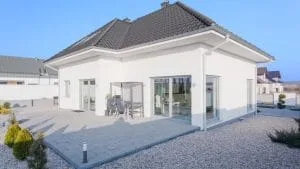
The Role of Lime in Modern Green Architecture
Introduction: Embracing Eco-Friendly Architecture Welcome. In this blog we will be exploring the world of eco-friendly architecture and its profound impact on our environment. In

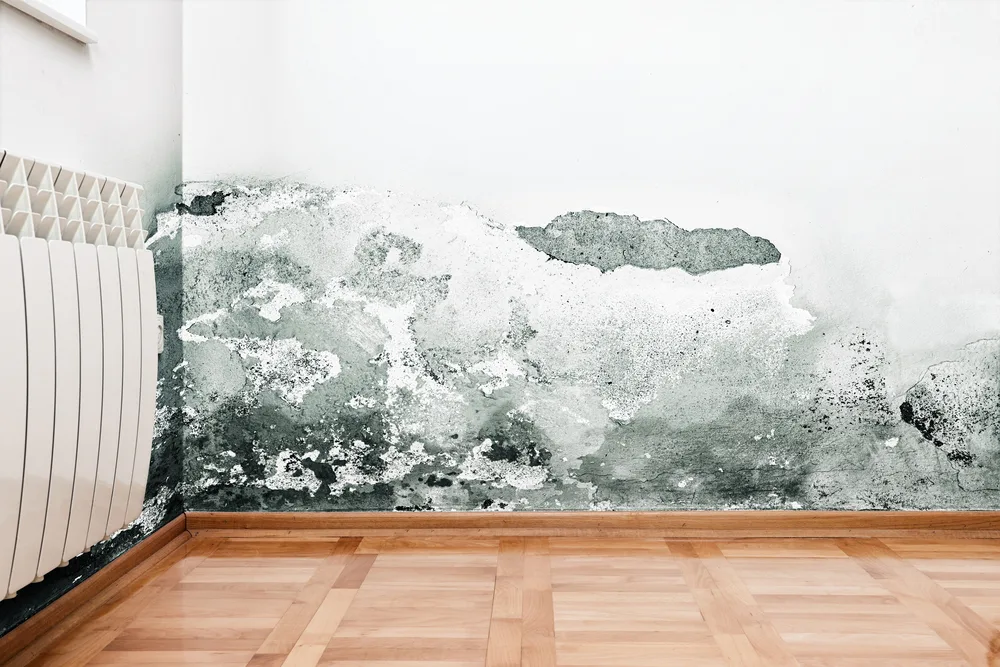
Mould is more than an aesthetic nuisance; it is a symptom of a building that cannot “breathe.” Whether you are managing a 200-year-old listed cottage or a modern eco-build, the struggle with damp and spores usually traces back to a single issue: the use of impermeable materials.
By switching from modern cements to traditional lime-based mortars and plasters, you can transform your walls from moisture traps into active moisture regulators.
Most mould issues in the UK are caused by “interstitial condensation.” In the mid-20th century, the industry moved toward cement-based mortars and gypsum plasters. These materials are incredibly hard and waterproof, but they lack capillarity.
When moisture gets trapped behind a cement render or a vinyl-painted wall, it has nowhere to go. It sits against the masonry, cools down, and turns into liquid water. This creates the perfect dark, damp breeding ground for Aspergillus and Stachybotrys (black mould).
Lime is naturally “breathable,” meaning it has a high vapour permeability. It allows water vapour to pass through the structure rather than trapping it.
While changing your mortar is the first step, preventing mould requires a total strategy. Combining the “Green Building” principles from our Eco House range with traditional Heritage techniques, we recommend:
If you are currently scrubbing mould off your walls, you are treating the symptom, not the cause. By returning to lime mortar and breathable finishes, you are protecting the structural integrity of your masonry and the respiratory health of your family.

Introduction: Embracing Eco-Friendly Architecture Welcome. In this blog we will be exploring the world of eco-friendly architecture and its profound impact on our environment. In

You’ve probably heard that we’re attempting to live in an eco-friendly world. When it comes to your home, you want to make sure that it
Mould is more than an aesthetic nuisance; it is a symptom of a building that cannot “breathe.” Whether you are managing a 200-year-old listed cottage
